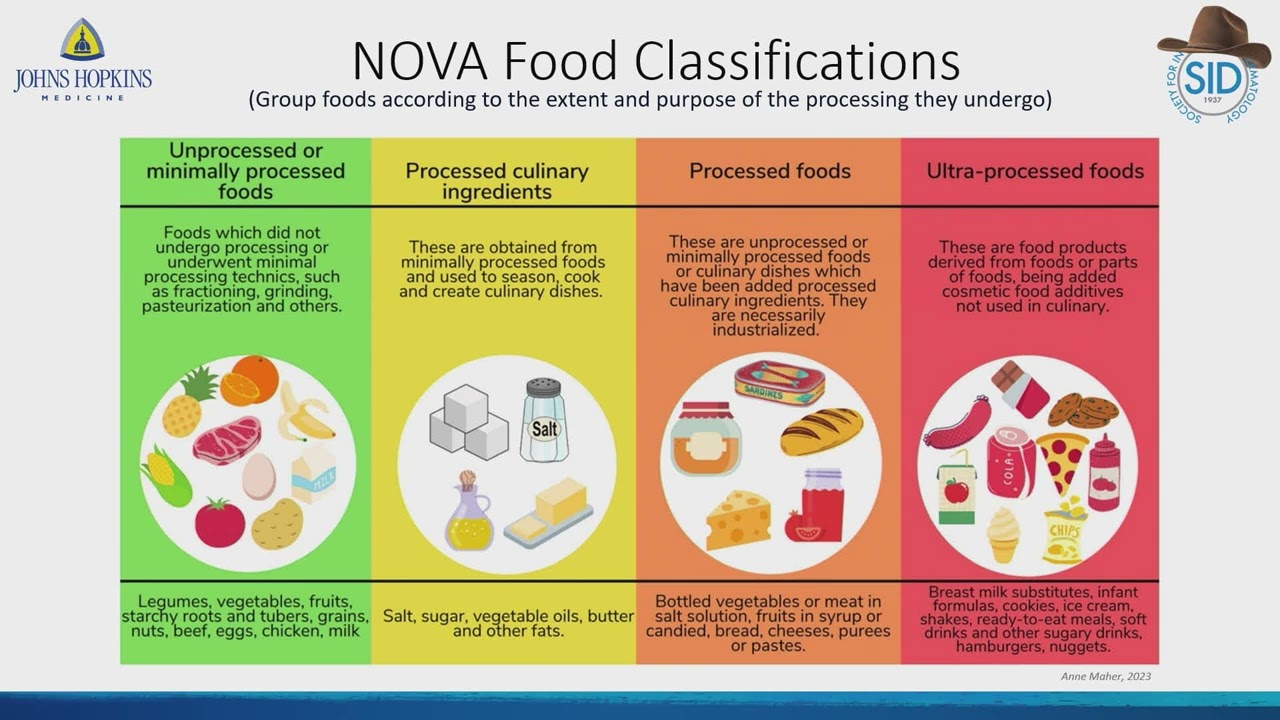
A major longitudinal study tracking more than forty-seven thousand adults across fifteen years has found a robust statistical association between high consumption of ultra-processed foods and significantly accelerated cognitive decline, including measurably faster deterioration in memory, processing speed, and executive function. Published this week in one of the world’s leading peer-reviewed medical journals, the research is being described by neurologists as the most comprehensive investigation of this dietary relationship attempted to date.
Participants who derived more than forty percent of their daily caloric intake from ultra-processed foods — a category that includes packaged snacks, ready-made meals, sweetened beverages, and processed meat products — showed cognitive aging that was effectively two to three years ahead of biological age compared to participants whose diets consisted primarily of minimally processed whole foods. The association held after researchers adjusted for physical activity levels, educational attainment, socioeconomic status, and existing cardiovascular health conditions.
The study’s authors are careful to note that observational research cannot definitively establish causation — people with accelerating cognitive decline may change their dietary patterns for reasons unrelated to diet’s direct neurological impact. However, the scale of the dataset and the consistency of the findings across demographic subgroups have given the research team confidence that the relationship is not explained by confounding variables alone.
Several proposed biological mechanisms could explain the connection. Chronic low-grade inflammation triggered by additives, emulsifiers, and high refined carbohydrate loads may damage the blood-brain barrier. Disruption of gut microbiome diversity — now understood to have significant bidirectional communication with the central nervous system — is another pathway under active investigation.
Nutritionists are calling for updated dietary guidelines that more explicitly quantify recommended limits on ultra-processed food consumption, particularly for older adults where the cognitive stakes are highest.