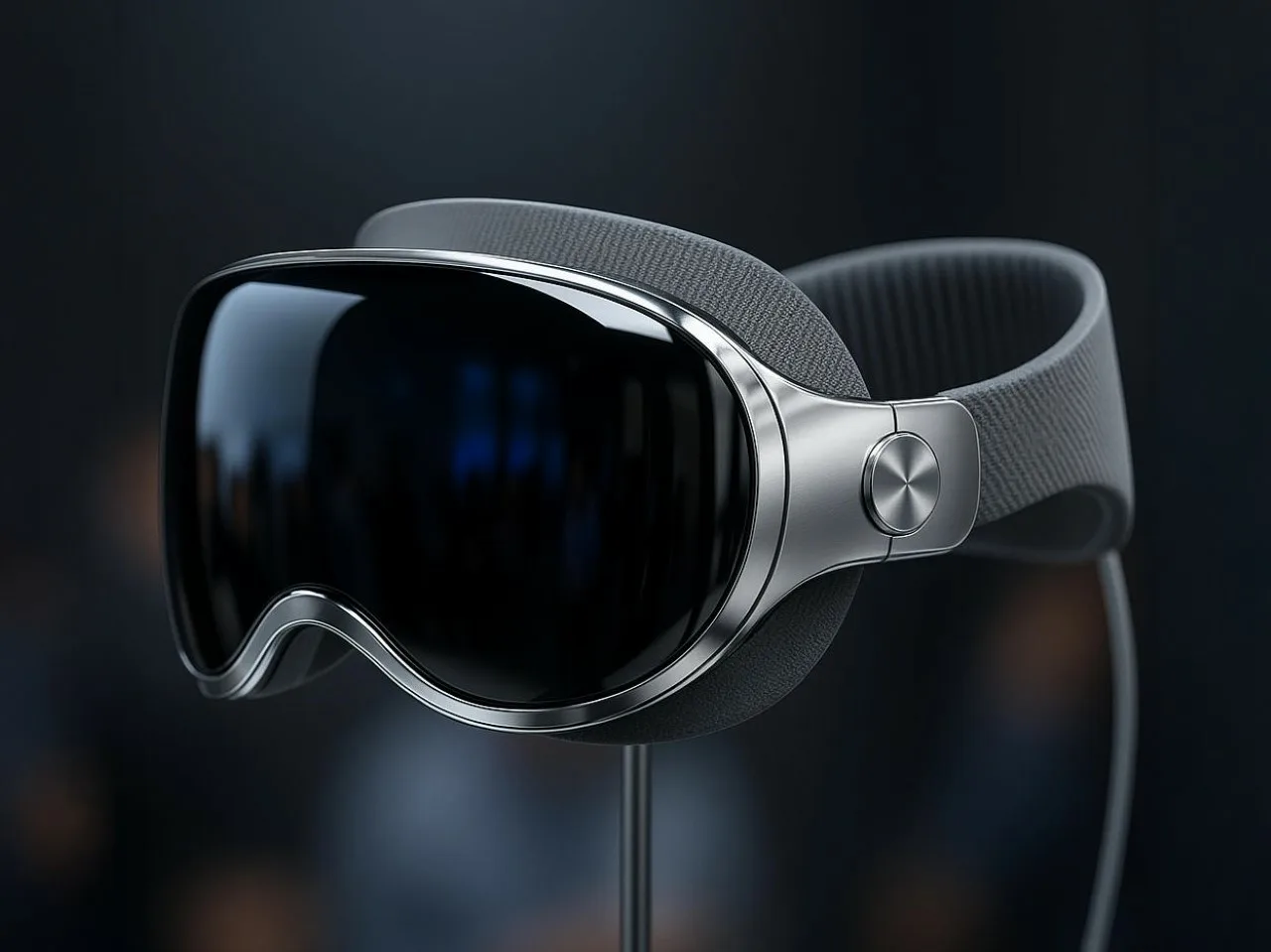
Apple’s second-generation Vision Pro spatial computing headset achieved opening weekend sales approximately forty percent higher than its predecessor, according to supply chain analysts and retail tracking data, defying skeptics who predicted that a higher starting price point would dampen consumer enthusiasm. The device, which begins at thirty-eight hundred dollars and climbs past five thousand dollars with premium lens and storage configurations, sold out of initial inventory at Apple retail locations in North America, Europe, and Australia within the first thirty-six hours of availability.
The Vision Pro 2 arrives with a significantly revised feature set that addresses the most common criticisms of the original model. The device is thirty-one percent lighter than its predecessor, resolving the neck strain complaints that figured prominently in early reviews. Battery life has been extended to approximately four hours of continuous mixed-reality use through a combination of a new lower-power display architecture and an updated silicon chip that Apple claims delivers forty percent greater computational efficiency per watt.
Perhaps the feature generating the most discussion among early adopters is the newly integrated eye-tracking productivity suite, which allows users to control complex spatial computing workflows without the hand gesture inputs that many first-generation users found fatiguing during extended work sessions. Developers have already begun shipping updated applications that take advantage of the enhanced input system.
Industry analysts are divided on the long-term market implications. Optimists point to steadily falling component costs that could enable a lower-cost variant within two product cycles. Skeptics question whether spatial computing remains a niche productivity and entertainment platform or will genuinely transition to mainstream consumer adoption.
Competitor devices from Sony and Samsung are both expected in the market before the holiday season, ensuring the spatial computing category will see intensified competition throughout the remainder of 2026.